Key Takeaways
- Shockwave Therapy, also called Extracorporeal Shock Wave Therapy (ECSW Therapy), uses focused acoustic pulses to stimulate the body's natural healing response in injured tendons and joints.
- Research supports its use for common overuse injuries like tennis elbow, thumb arthritis, and wrist tendonitis, particularly when other conservative treatments haven't worked.
- Most patients tolerate the treatment well, describing only a tapping or vibrating sensation during sessions.
- Improvement is often gradual, with many patients noticing meaningful changes within 3 to 6 weekly sessions.
- Shockwave Therapy is frequently considered before more invasive options like injections or surgery.
- Pittsburgh Hand & Nerve offers Shockwave Therapy (ECSW Therapy) as part of a non-surgical treatment plan for hand, wrist, elbow, and neck pain — schedule a consultation to find out if it's right for you.
What Is Shockwave Therapy (ECSW Therapy)?
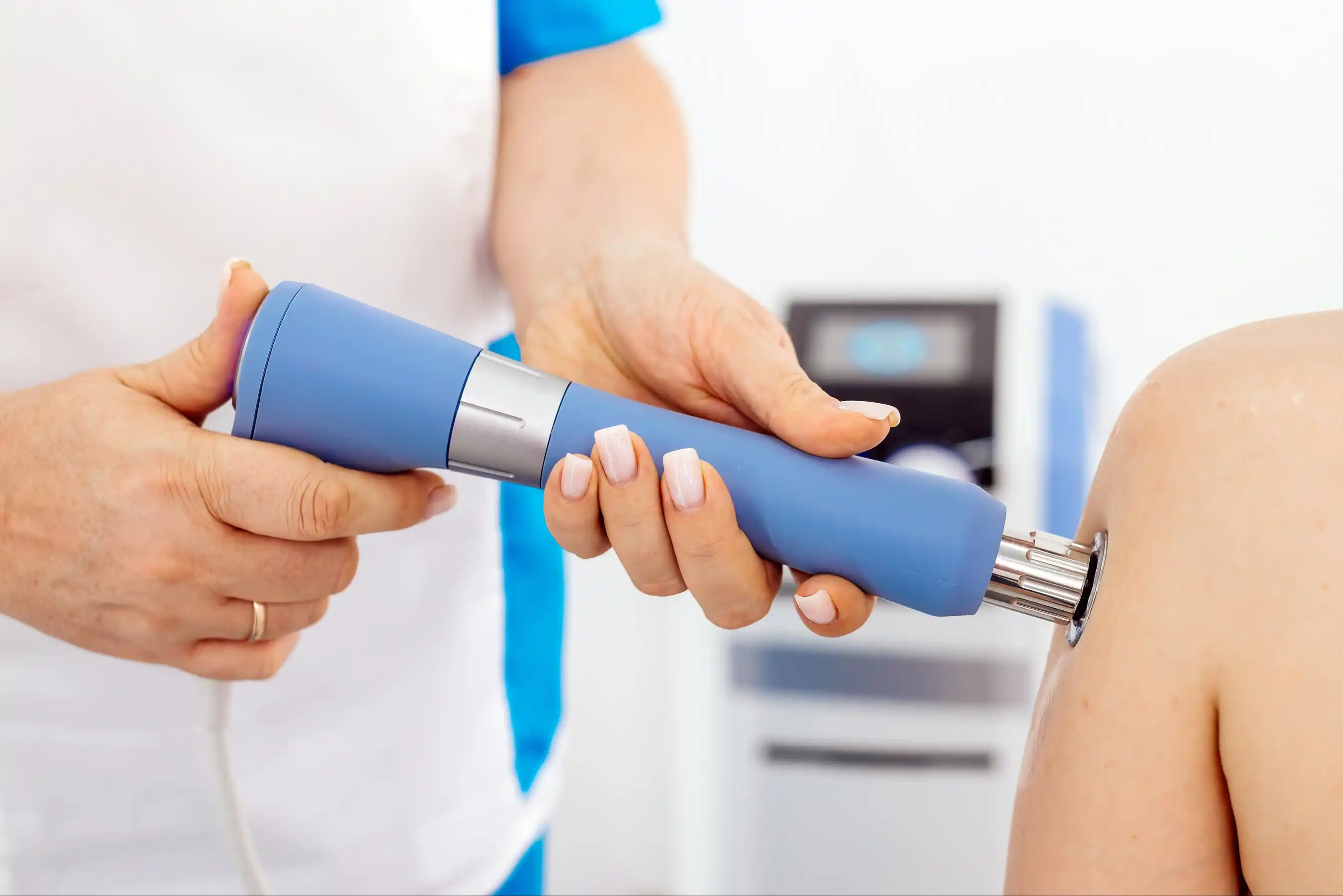
Shockwave Therapy (ECSW Therapy) at Pittsburgh Hand & Nerve delivers high-energy acoustic pulses through the skin to reach injured tendons, ligaments, and muscle tissue. Rather than masking pain, the treatment is designed to trigger the body's own repair process: new blood vessels form in the treated area, inflammation calms, and damaged tendon fibers reorganize and rebuild over time.
The underlying technology was originally developed to break up kidney stones. Over the following decades, it was adapted for musculoskeletal use, where lower-energy pulses encourage tissue repair instead of disruption. Today, it's a well-established non-surgical option for stubborn tendon and joint pain.
How Shockwave Therapy May Help Chronic Tendon Injuries
Chronic tendon injuries are notoriously slow to heal on their own, in part because the blood supply to tendons is limited compared to muscle. Shockwave Therapy is thought to help by directly stimulating circulation and cellular activity in the treated tissue, which can jump-start a healing process that has stalled.
This makes it a particularly good fit for patients who have already tried rest, bracing, or anti-inflammatory medication without lasting relief, and who want to avoid the downtime associated with surgery.
What Research and Patient Outcomes Show
Clinical research on Extracorporeal Shock Wave Therapy has grown substantially over the past decade, especially for tendon conditions in the arm and elbow. A systematic review and meta-analysis of randomized controlled trials published on PMC evaluated shockwave therapy across several types of tendinopathy, including tennis elbow, and found meaningful improvements in pain and function, with some differences in outcomes depending on the specific type of shockwave technology used.
Outcomes tend to vary by condition and by how long the patient has had symptoms. Patients who begin treatment earlier in the course of their injury, and who complete the full recommended series of sessions, generally report better results than those who start after months or years of untreated pain.
Conditions That Often Respond Well to Treatment
At Pittsburgh Hand & Nerve, Shockwave Therapy (ECSW Therapy) is most often used for:
| Condition | What It Involves |
|---|---|
| Tennis Elbow (Lateral Epicondylitis) | Inflammation and micro-damage in the tendon on the outside of the elbow, often from repetitive gripping or lifting. |
| Thumb CMC (Basal Joint) Arthritis | Wear and tear in the joint at the base of the thumb, common in adults over 40. |
| Wrist Tendonitis, including De Quervain's | Inflammation of the tendons on the thumb side of the wrist, often linked to repetitive grip activities. |
| Neck & Upper Back Pain | Muscle knots and trigger points that build up from prolonged desk work or stress. |
A separate meta-analysis of randomized controlled trials, published on PMC, compared Shockwave Therapy against corticosteroid injections for chronic tennis elbow. While the injections worked faster in the first month, Shockwave Therapy provided better results at the 3- and 6-month mark — a reminder that this treatment tends to reward patience over the full course of sessions.
How Long It May Take to Notice Improvement
Every patient heals at a different pace. Some people notice improvement after their first or second session, while others see the biggest gains in the weeks following their final treatment, as the tissue continues to repair itself. A typical treatment plan involves 3 to 6 sessions, spaced about a week apart, and most sessions take less than 30 minutes with no downtime afterward.
When Shockwave Therapy May Be Considered Before Surgery
Because Shockwave Therapy (ECSW Therapy) is non-invasive, drug-free, and requires no anesthesia, it's often tried before more invasive interventions like corticosteroid injections or surgical release. It's generally a good option for patients who have had symptoms for several months, who haven't found lasting relief from rest or bracing alone, and who want to explore every reasonable non-surgical option before considering surgery.
That said, it isn't right for everyone. It's generally avoided during pregnancy, in patients taking blood thinners, and in areas with active infection or open wounds. A hand specialist can help determine whether it's an appropriate next step for a specific injury.
Find Out If Shockwave Therapy Is Right for You
Shockwave Therapy (ECSW Therapy) offers a non-surgical path to relief for many patients dealing with stubborn tendon and joint pain, backed by a growing body of research and years of patient experience. At Pittsburgh Hand & Nerve, the team evaluates each patient's condition and history before recommending it as part of a personalized treatment plan.
If conservative care has stalled and you're ready to explore your options, schedule a consultation with Pittsburgh Hand & Nerve or call (412) 679-HAND to ask about Shockwave Therapy (ECSW Therapy).
Frequently Asked Questions
Does shockwave therapy actually work?
Research shows shockwave therapy can meaningfully improve pain and function for many tendon conditions, particularly tennis elbow, though results vary based on the individual condition and how long symptoms have been present.
Is shockwave therapy painful?
Most patients describe a tapping or vibrating sensation rather than pain. The intensity can be adjusted based on comfort, and no anesthesia is needed.
How many shockwave therapy sessions are typically needed?
Most treatment plans involve 3 to 6 sessions scheduled about a week apart, though your provider will recommend a specific course based on your condition.
Is shockwave therapy covered by insurance?
Coverage varies by insurer and by the condition being treated. The team at Pittsburgh Hand & Nerve can check your benefits and walk through any out-of-pocket costs before you begin treatment.
