Key Takeaways
- Natural Solution: PRP therapy utilizes the platelets from your own blood to stimulate hair follicles and promote growth, making it a safe, biological treatment.
- Minimal Downtime: Unlike surgery, PRP is a quick, outpatient procedure that allows you to return to your daily routine almost immediately.
- Effective for Early Hair Loss: It is most effective for individuals in the early stages of thinning or hair loss who want to thicken existing hair.
- Expert Care in Pennsylvania: Pittsburgh Hand & Nerve is a provider of expert treatment for hair loss in PA. If you are ready to explore your options, schedule an appointment with our team today.
The Science Behind Platelet-Rich Plasma for Hair Loss
Hair loss can be a distressing experience, affecting self-esteem and confidence. While there are countless creams, pills, and surgeries on the market, many patients are looking for a more natural approach. This is where PRP hair restoration comes in.
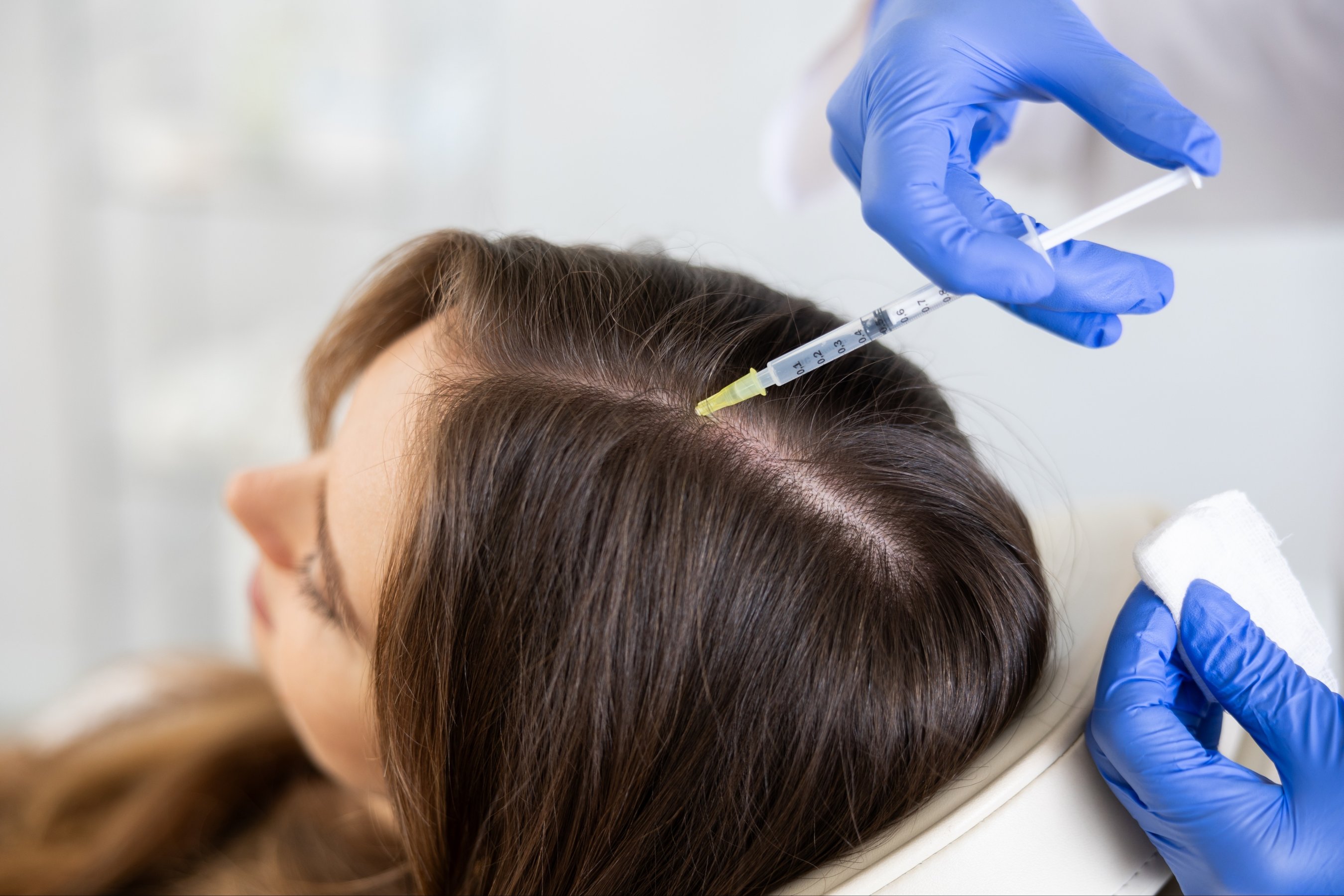
PRP, or Platelet-Rich Plasma, is a therapy that has been used in sports medicine for years to heal injuries. Recently, it has gained immense popularity in dermatology and cosmetic medicine. The treatment involves drawing a small amount of your own blood, processing it to concentrate the platelets, and injecting it into the scalp.
But why platelets? Platelets are blood cells known for their role in clotting, but they are also packed with growth factors. When injected into the scalp, these growth factors work to repair blood vessels, promote cell growth, and stimulate inactive hair follicles. For patients suffering from androgenic alopecia (pattern baldness), platelet-rich plasma injections for hair loss can help slow shedding and encourage new, thicker growth.
How PRP Therapy Stimulates Hair Growth
The biology of hair growth is complex, involving cycles of growth (anagen), regression (catagen), and rest (telogen). In many cases of hair loss, the follicles shrink and spend more time in the resting phase, leading to thinning hair.
PRP therapy targets these struggling follicles. When Pittsburgh Hand & Nerve administers the treatment, the concentrated growth factors trigger a biological response. They prolong the anagen (growth) phase of the hair cycle, effectively waking up dormant follicles. This increases the blood supply to the hair follicle and increases the thickness of the hair shaft.
Because the treatment uses your own biological material, the risk of allergic reaction or rejection is virtually non-existent. It is a holistic way to combat hair thinning using the body's own healing mechanisms.
PRP vs. Hair Transplants: Which Is Right for You?
When researching PRP treatment for hair, patients often compare it to hair transplant surgery. While both aim to restore hair, they are very different procedures suited for different stages of hair loss.
| Feature | PRP Therapy | Hair Transplant |
|---|---|---|
| Invasiveness | Minimally invasive (injections only) | Surgical (moving follicles) |
| Downtime | Minimal (immediate return to activity) | Recovery period required (days to weeks) |
| Source Material | Your own blood platelets | Your own hair follicles |
| Best Candidate | Early to moderate thinning | Significant bald patches or receding hairline |
| Results Timeline | Gradual improvement over 3-12 months | Permanent results after 12 months |
| Scarring | None | Potential for small scars at donor site |
For those not ready for the commitment, cost, or recovery time of surgery, PRP hair restoration offers a compelling alternative.
What to Expect During a Treatment Session
Walking into a medical office for hair loss treatment can be intimidating, but the PRP process is straightforward and quick. At Pittsburgh Hand & Nerve, the comfort of the patient is a top priority.
- The Blood Draw: The visit begins much like a routine check-up. A medical professional draws a small amount of blood from your arm.
- Separation: The blood is placed into a centrifuge. This machine spins at a high speed to separate the red blood cells from the plasma. The result is a golden liquid—the platelet-rich plasma—which contains a high concentration of growth factors.
- The Injection: The scalp is often numbed with a topical anesthetic to minimize discomfort. The PRP is then meticulously injected into the areas of the scalp requiring improvement.
The entire appointment typically takes less than an hour. Because it is non-surgical, patients can usually drive themselves home and resume work or social activities the same day.
Long-Term Results and Maintenance
Patience is key with platelet-rich plasma for hair loss. Because the treatment works by stimulating the body’s natural cycles, results are not immediate. Most patients begin to notice a decrease in hair shedding first, followed by early regrowth and increased thickness after the third or fourth treatment.
A typical treatment plan involves a series of 3 initial injections spaced about a month apart. For optimal results, an additional 3 treatments are recommended over the next 9 months to keep the follicles stimulated and healthy.
Restore Your Confidence with Pittsburgh Hand & Nerve
Hair loss doesn't have to be a permanent condition. With advancements in regenerative medicine, you can harness your body's own power to strengthen your hair and reclaim your confidence without invasive surgery. Pittsburgh Hand & Nerve is dedicated to providing personalized, effective care to help you look and feel your best.
If you are ready to stop hair thinning in its tracks, schedule an appointment with Pittsburgh Hand & Nerve today to discuss if our expert PRP services in Pennsylvania are right for you.
Frequently Asked Questions
How do I find effective PRP hair treatment near me?
When searching for a provider, look for a medical practice with specialized experience in regenerative medicine and nerve/hand therapies, as they have deep expertise in anatomy and injection techniques. Pittsburgh Hand & Nerve offers specialized PRP treatments in PA tailored to your specific needs.
Is PRP hair restoration permanent?
PRP is not considered a permanent 'cure' because it treats the symptoms of hair loss rather than the genetic cause. However, the results can be long-lasting. Best results are achieved if 3 treatments are performed within the first 3 months, and an additional 3 treatments over the next 9 months. R
Does insurance cover PRP treatment for hair?
No, insurance companies consider PRP for hair loss to be a cosmetic procedure and do not cover it.
Who is the ideal candidate for platelet-rich plasma injections for hair loss?
The ideal candidate is someone in the early stages of hair loss with active hair follicles. Patients with areas of 'smooth' baldness (where follicles are completely gone) will not see significant results. A consultation with a specialist can help determine if your follicles are viable for stimulation.
