Key Takeaways
- Shockwave Therapy (ECSW Therapy) typically feels like a tapping or vibrating sensation rather than sharp pain, and no anesthesia is needed.
- Mild discomfort during treatment is normal and is usually strongest over the most irritated part of the tendon.
- Soreness after a session is generally short-lived, often resolving within a day or two.
- Side effects are typically mild, such as temporary redness, minor soreness, or a small bruise, and serious complications are rare.
- Pittsburgh Hand & Nerve's providers adjust every treatment to each patient's comfort level, and scheduling a consultation is the best way to find out if Shockwave Therapy is right for you.
What Shockwave Therapy Feels Like During Treatment
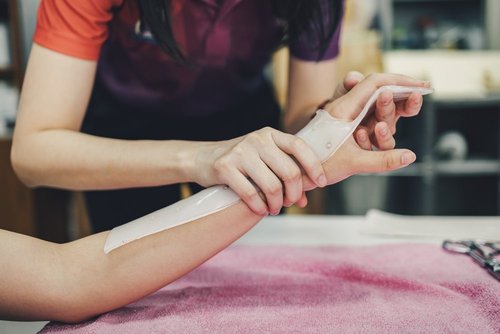
If you're nervous about starting Shockwave Therapy (ECSW Therapy), you're not alone; it's one of the most common questions patients ask before their first session. During treatment, a provider applies gel to the affected area and uses a small handheld device to deliver focused acoustic pulses into the tissue. Most patients describe the sensation as a tapping, buzzing, or vibrating feeling rather than outright pain. Sessions typically take less than 30 minutes, and no anesthesia is required.
Why Some Mild Discomfort May Occur
Shockwave Therapy works by delivering energy directly into damaged or chronically irritated tendon tissue to stimulate the body's natural healing response. Because the pulses are targeted at the exact spot that's been causing pain (whether that's the outside of the elbow, the base of the thumb, or the wrist), some tenderness during treatment is expected. Providers can adjust the intensity of the pulses in real time based on what a patient can comfortably tolerate, which is one of the biggest differences between a well-managed session and an uncomfortable one.
Is Shockwave Therapy Painful? What to Expect at Each Stage
| Stage | What Patients Typically Feel |
|---|---|
| During treatment | Tapping, vibrating, or mild pressure; more noticeable over the most tender area |
| Immediately after | Little to no pain for most patients; some mild residual tenderness |
| 24–48 hours later | Possible mild soreness, redness, or a small bruise at the treatment site |
| After the full course | Gradual reduction in the original pain as the tissue heals |
How Long Soreness Typically Lasts Afterward
For most patients, any soreness following a session is brief. Mild aching or tenderness at the treatment site generally resolves within a day or two, and there's no real downtime; patients can drive themselves home and return to normal activity the same day. Improvement from the treatment itself tends to build gradually, with many patients noticing changes by the third or fourth session in a typical course of three to six visits.
Shockwave Therapy Side Effects: What to Expect
Shockwave Therapy is well tolerated by the large majority of patients. When side effects do occur, they're typically mild and short-lived, including:
- Temporary skin redness at the treatment site
- Mild soreness or aching in the treated area
- A small bruise or minor swelling that resolves within 24–48 hours
- Occasional, brief numbness or tingling
Serious complications are uncommon. A provider will review your specific risk factors, including any bleeding disorders, pacemakers, or pregnancy, before recommending treatment.
Can Shockwave Therapy Cause Damage?
This is one of the most frequent concerns patients raise, and it's understandable—the idea of 'shockwaves' sounds more intense than it actually is. In reality, the low-energy pulses used for musculoskeletal conditions are designed to encourage tissue repair, not cause harm. As Cleveland Clinic Canada explains, Shockwave Therapy is generally used for chronic conditions affecting tendons and their attachment points, and outcomes tend to depend heavily on following the recommended treatment and rehabilitation plan. Mayo Clinic similarly notes that physical medicine and rehabilitation specialists continue to expand its use across a growing list of musculoskeletal conditions, reflecting its established safety profile.
Ways Providers Help Keep Patients Comfortable
- Adjusting pulse intensity throughout the session based on patient feedback
- Starting at a lower setting and gradually increasing as tolerated
- Applying gel to help the device glide smoothly over the skin
- Clearly explaining what sensations to expect before starting
- Scheduling sessions with enough spacing to let tissue recover between visits
What Recovery Looks Like Between Sessions
Between sessions, most patients simply resume their normal routine. Some mild soreness in the first day or two is common, but there's no bracing, immobilization, or extended downtime required. Providers typically track how symptoms are responding from one visit to the next and adjust the treatment plan, including the number of total sessions, based on that progress.
Considering Shockwave Therapy? Here's What to Do Next
Shockwave Therapy is designed to be a comfortable, non-invasive option for pain that hasn't responded to rest, bracing, or medication. Most patients tolerate it well, with only mild and temporary side effects.
If conservative treatments haven't resolved your hand, wrist, elbow, or nerve-related pain, schedule a consultation with Pittsburgh Hand & Nerve to find out whether Shockwave Therapy (ECSW Therapy) is the right next step for you.
Frequently Asked Questions
Does Shockwave Therapy hurt?
Most patients describe a tapping or vibrating sensation rather than sharp pain. Some areas are more tender than others, and providers adjust the intensity to keep treatment comfortable.
How do I find Shockwave Therapy near me?
Pittsburgh Hand & Nerve offers Shockwave Therapy (ECSW Therapy) at its Trafford, PA office, serving patients throughout the greater Pittsburgh area. Schedule a consultation to see if it's a fit for your condition.
What are the most common Shockwave Therapy side effects?
Side effects are usually mild, including temporary redness, minor soreness, or a small bruise that resolves within a day or two. Serious complications are rare.
Can Shockwave Therapy cause damage to tendons or tissue?
No. The low-energy pulses used for tendon and joint conditions are designed to stimulate healing rather than cause harm, and the treatment has a well-established safety profile when performed by trained providers.